Why Indigenous Grapes Matter
An editorial exploration of indigenous grapes: why they matter, the stories they tell, and the role they can play on modern wine lists and in thoughtful collections.
WINE CULTURE & ORIGINS
Luke Mircea-Willats
1/20/20262 min read
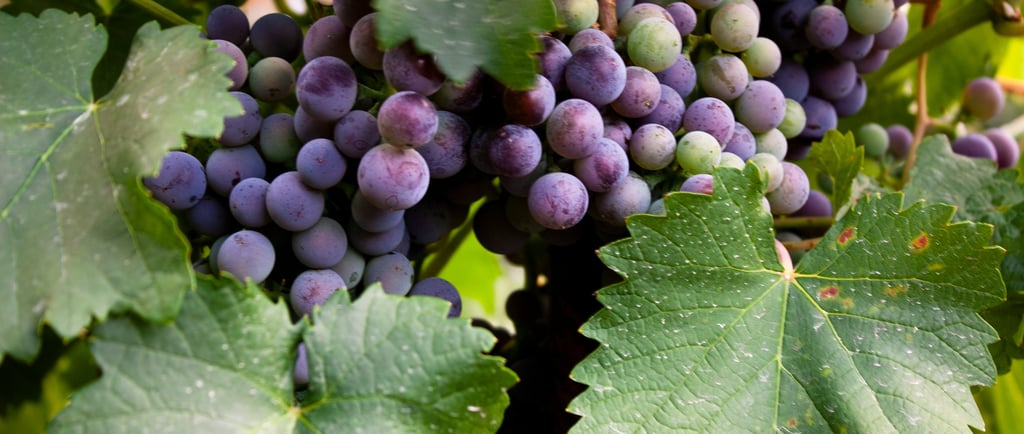
In a global wine market dominated by a small handful of international grape varieties, indigenous grapes offer something increasingly rare: identity. Long before Cabernet Sauvignon or Chardonnay became global commodities, regions developed grape varieties shaped by their soils, climates, and cultures. These grapes are not curiosities; they are the original language of wine.
For restaurants and collectors alike, indigenous varieties represent authenticity, storytelling, and differentiation.
What Are Indigenous Grapes?
Indigenous (or autochthonous) grapes are varieties native to a specific region, often cultivated there for centuries. Examples include Tintilia in Molise, Aglianico in Basilicata, Nerello Mascalese on Mount Etna, Fetească Neagră in Romania, and Humagne Rouge in Switzerland’s Valais.
Unlike international varieties, they are adapted to local conditions, reflect regional history and cuisine, and express terroir in highly specific ways.
Fetească Neagră from Romania is an excellent reminder of how much remains undiscovered within Europe’s historic wine cultures. Cultivated for centuries across Romania and Moldova, Fetească Neagră produces dark-fruited, spicy wines with a gentle smokiness and a savoury core. When made with restraint, often with little or no new oak, it delivers freshness, structure, and a clear sense of place.
For restaurants, such wines enable confident, unexpected storytelling. For collectors, they offer originality and pleasure without noise. Indigenous grapes matter because they preserve regional identity and because they keep discovery alive.
Why They Matter More Than Ever
Globalisation has made wine more accessible, but also more homogenous. Indigenous grapes resist that trend. They offer flavours, textures, and structures that cannot be replicated elsewhere, even when planted abroad. For guests and collectors tired of predictable profiles, this sense of discovery is powerful.
Indigenous grapes are often better adapted to their environments, having evolved in tune with local conditions such as heat, altitude, and rainfall. This natural suitability can make them more resilient to climate stress and reduce the need for heavy intervention. In a warming climate, this adaptability is becoming strategically important, not just romantic.
From a restaurant perspective, indigenous grapes elevate the conversation at the table. They invite dialogue and naturally connect food, region, and culture, helping turn a wine into an experience rather than a transaction. A sommelier pouring Tintilia or Nerello Mascalese isn’t just serving a glass of wine; they’re telling a story of place.
Why Restaurants Should Consider Them
Indigenous wines allow restaurants to stand apart without chasing prestige labels. They often offer strong value, deliver character over cost, and create memorable guest experiences that go beyond the familiar. A well-curated selection of indigenous grapes signals confidence and thoughtfulness, showing intent and originality rather than a reliance on trend-driven or name-led choices.
Many indigenous grapes were historically grown to accompany local cuisine, which often makes them naturally food-friendly, balanced in alcohol and acidity, and particularly well suited to modern, seasonal menus where freshness, precision, and versatility matter.
The Role of Indigenous Grapes in a Private Collection
For collectors, indigenous grapes play a different but equally valuable role. They add diversity beyond classic regions, deliver high drinking pleasure without market noise, and reflect a collector’s curiosity and independence. While most are not investment wines, they often become the bottles people remember opening, sparking conversation and discovery rather than comparison.
A Place in Grand Cru Select
At Grand Cru Select, indigenous grapes are not treated as alternatives to classic fine wine, but as essential complements. They remind us that wine’s true richness lies in diversity, restraint, and respect for origin.
In a world chasing the same names, choosing indigenous grapes is a statement: of taste, of intent, and of perspective.
Closing Thought
Great wine doesn’t always come from the most famous grapes. Sometimes it comes from those who stayed quietly rooted, waiting to be listened to.
Considering your next wine decision? Whether you are reviewing a cellar, considering an auction lot, building a collection, or rethinking a restaurant wine program, an initial conversation can help clarify the right next step.
© 2026. All rights reserved.
Independent fine-wine insights, vintage analysis, and advisory for private collectors, fine-wine buyers, and restaurants. No commercial bias.