Too Little Burgundy: Climate, Scarcity and the Economics of Rarity
Climate volatility and shrinking harvests are reshaping Burgundy. Explore how structural scarcity is redefining fine wine economics and long-term strategy.
BURGUNDY
Luke Mircea-Willats
2/15/20264 min read
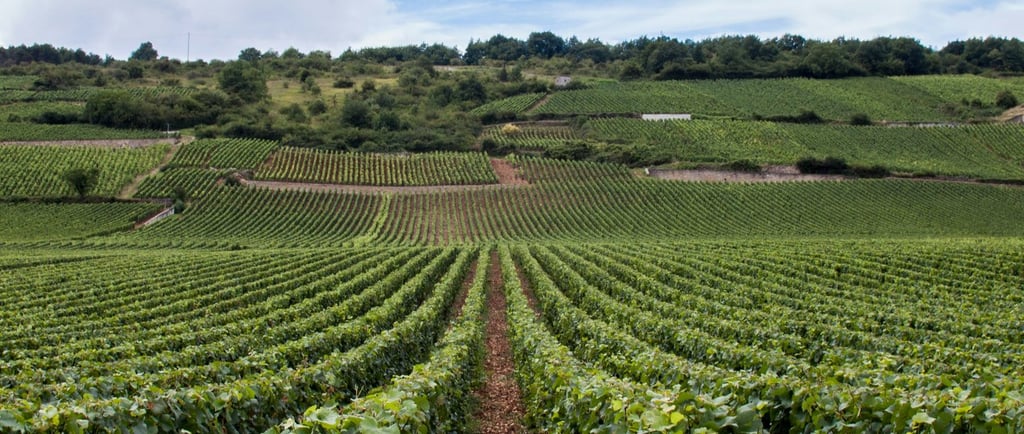
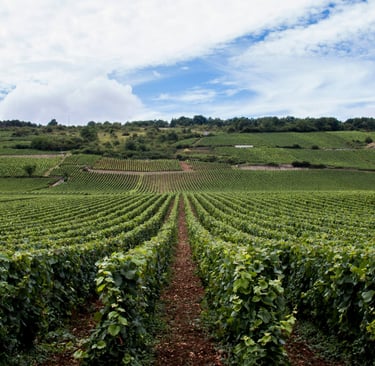
Burgundy’s fabled vineyards are grappling with an unprecedented production crisis. Recent years have seen historically low yields due to extreme weather and vine diseases, creating a “new reality” of scarcity in this renowned region. Collectors, investors, and enthusiasts alike are witnessing Burgundy’s finest wines becoming ever more elusive, a trend that could reshape the fine wine market in the decades to come.
Too Little Burgundy
Burgundy has long experienced occasional tough vintages, but low yields are now alarmingly frequent. The 2021 vintage was devastated by a spring frost and cold, wet weather, with up to 30–50% of the region’s crop lost (and 80% losses in some white wine areas). After another brutal season in 2024, many top vineyards produced less than one-third of their normal crop. In fact, 2021, 2024, and 2025 together represent three of the smallest harvests in five years, with some growers reporting yields down by as much as 80%.
What used to be an occasional bad year is looking more like a structural pattern. One veteran vigneron, Florent Latour, even called 2024 “the most complicated season” in nearly 50 years. This string of tiny vintages means Burgundy is producing far less wine, and the effects are rippling from wineries to the global market.
Climate Change, Disease & Erratic Harvests
Behind Burgundy’s production crisis is a convergence of climatic threats. Warming trends have led to earlier bud break in spring, making vines more vulnerable to frost damage. In April 2021, temperatures plunged to record lows after a mild spell, and entire vineyards froze overnight. Vignerons lit thousands of paraffin candles among the rows in desperate attempts to save their crop. Frost has always been a hazard here, but growers say climate change is magnifying its impact by causing precocious growth followed by freak cold snaps.
Extreme weather didn’t stop at frost. Hailstorms and excessive rainfall have pummeled recent vintages, resulting in widespread fungal diseases. In 2021, an unusually cold, damp summer brought intense pressure from downy and powdery mildew, a one-two punch rarely seen together. Likewise, 2024 saw unprecedented rainfall that made mildew outbreaks “torrid” for organic growers, many of whom lost huge portions of fruit. Such erratic conditions mean yields can swing dramatically year to year, and maintaining quality becomes a heroic effort.
Yet despite the chaos, these low-yield years have sometimes produced surprisingly classic, high-quality wines, leaner and more vibrant in style. The tiny 2021 crop, for example, yielded elegant, fresh wines that defied the tough growing season. But consistent excellence is harder to achieve when nature throws so many curveballs.
Small Vineyards, Big Vulnerabilities
Burgundy’s unique structure makes it especially vulnerable to production volatility. Unlike regions such as Bordeaux, where large estates blend grapes from extensive vineyards, Burgundy is all about small-scale and single plots. The average Burgundian domaine is only about 18 acres (7 hectares) and often split into a dozen tiny parcels. Each wine might be just a few hundred cases.
Moreover, most vineyards are fragmented among many owners, with 70+ growers sometimes sharing a single grand cru. This means each producer’s output is minuscule. When frost or hail wipes out a particular vineyard, a winery can’t fall back on vast reserves from elsewhere. That wine simply vanishes for the year. Blending is also constrained by law and tradition: Burgundy is typically a single grape from a single vineyard, not an assemblage from multiple sites.
While this purity is the soul of Burgundy’s terroir, it leaves no cushion against crop failure. The result is that even a localized disaster (a single night of frost in Chablis, or a hailstorm in Volnay) immediately creates scarcity of individual wines. Burgundy’s tightly wound supply chain, where top crus are allotted in tiny quantities to merchants and subscribers, has little slack. In short, the region’s celebrated structure of small, site-specific production inherently amplifies the impact of any agricultural setback.
The Burgundy Squeeze
For wine lovers and investors, Burgundy’s new reality is a textbook case of supply and demand. Global thirst for fine Burgundy was already surging, but now there’s far less wine to go around. Early indicators show that the recent shortfalls are driving up prices and tightening allocations. As one report bluntly stated, Burgundy prices, already high, will climb further as scarcity intensifies.
Many longtime collectors are receiving fewer bottles of their favorite domaine allocations, and some retailers have no stock to offer. This scarcity is also reshaping strategies: today’s collectors increasingly snap up Burgundy en primeur (buying young wine before release) to secure any supply at all. Some are exploring lesser-known appellations or even other regions as substitutes, a trend unthinkable for Burgundy purists a decade ago.
From an investment perspective, the economics of rarity are a double-edged sword. On one hand, limited production of acclaimed wines (from vintages like 2021 or 2024) could mean those bottles appreciate significantly by the time they reach a 2035–2040 drinking window. A scarce great Burgundy tends to become even more prized with age, potentially rewarding those who secured them early.
Yet structural low yields also raise a strategic question: if production volatility becomes the norm, Burgundy risks evolving into an even more illiquid, ultra-exclusive asset class. Prices may rise sharply, but participation narrows, and market depth can thin. Scarcity drives value, but it can also compress accessibility.
For now, Burgundy’s reputation for quality is intact, but scarcity is fast becoming its defining feature. The structural squeeze, too many global buyers competing for ever-smaller volumes, shows little sign of easing. Collectors planning to open great Burgundy in the late 2030s must think strategically: the wines will exist, but meaningful access may not. In this environment, allocation replaces abundance as the true luxury. Burgundy remains the pinnacle of fine wine. Yet in this new era, its rarity and resilience amid climate volatility are becoming as central to its value as terroir itself.
At Grand Cru Select, we help collectors position themselves within this structural shift. Our focus extends beyond established icons to identifying the next generation of blue-chip producers, domaines that remain relatively under the radar today, yet demonstrate the pedigree, vineyard holdings, and supply constraints that define long-term outperformance.
In a market where allocation replaces abundance, the advantage lies not in chasing headlines, but in acting early with conviction. Access is the emerging luxury. Selection is the strategy.
Considering your next wine decision? Whether you are reviewing a cellar, considering an auction lot, building a collection, or rethinking a restaurant wine program, an initial conversation can help clarify the right next step.
© 2026. All rights reserved.
Independent fine-wine insights, vintage analysis, and advisory for private collectors, fine-wine buyers, and restaurants. No commercial bias.