Is Bordeaux Back? What the Current Market Correction Really Means
Bordeaux prices have corrected sharply since 2022, but this isn’t a collapse. It’s a reset. We explore what caused the downturn, where value has re-emerged, and why Bordeaux is regaining quiet confidence among smart collectors.
BORDEAUX
Luke Mircea-Willats
1/25/20264 min read
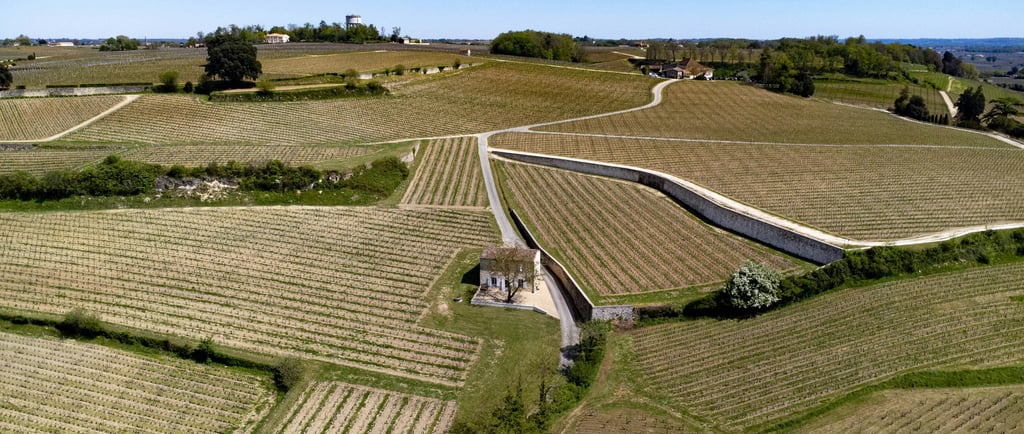

After a bull run and a sobering slump, Bordeaux’s fine wine market is once again finding its balance. For collectors who sat on the sidelines during the post-pandemic frenzy, today’s market feels unfamiliar and quietly inviting.
The 2022–2024 Correction, Uncorked
Between 2021 and 2022, fine wine prices surged to record highs, fuelled by post-pandemic liquidity and a renewed rush into tangible assets. Bordeaux participated in the upswing, though less aggressively than Burgundy or Champagne, until prices peaked in late 2022. Then came the correction.
By the end of 2023, prices for top Bordeaux had fallen sharply. The Liv-ex Bordeaux 500 index declined by around 10% from early 2022 into 2024, while the First Growths dropped more than 15%. For the first time in years, even trophy châteaux were trading at meaningful discounts. In some cases, mature, drinkable vintages briefly dipped below original release prices, almost unthinkable just a few years earlier.
Several forces converged. Rising interest rates, persistent inflation, and a cooling Chinese market all weighed on demand. At the same time, pricing had run ahead of reality. The 2022 en primeur campaign, buoyed by strong scores and vintage hype, saw aggressive price hikes. Château Pichon Baron 2022, for example, was released at €134.40 per bottle ex-négociant, a 21.7% increase year-on-year. That pricing assumed momentum would continue. It didn’t.
By 2023, buyers had grown cautious. Collectors balked at paying escalating premiums for wines still years from bottling, and merchants faced increasing resistance. The result was a broad market reset that carried through 2024, restoring price sensitivity as a central theme in Bordeaux.
A Familiar Cycle
For seasoned observers, this was hardly new. Bordeaux pricing has always moved in cycles. The China-driven surge of 2010–2011 ended with First Growth prices halving in some cases. Even earlier, concerns about affordability are nothing new. In 1986, Auberon Waugh lamented that only the very rich could afford top claret; in 2005, Robert Parker warned of “astonishing price climbs.”
What makes the 2022–2024 correction notable is not its existence, but its speed. It followed an unprecedented global fine-wine rally post-2020, and when liquidity receded, even the most blue-chip labels had to adjust. By mid-2024, “value” had returned as Bordeaux’s defining attribute. With Burgundy and Champagne also cooling, Bordeaux was once again asked to justify itself not through scarcity or hype, but through pricing discipline.
Where the Reset Is Most Visible
The correction becomes clearest at the château level.
Château Pichon Baron (Pauillac) saw exuberance peak with its 2022 release. While quality remains exceptionally high, arguably higher than ever, secondary prices have softened as buyers rotated into earlier vintages such as 2016 or 2019. The hype premium has evaporated, benefiting drinkers and long-term holders alike.
Château Léoville Barton (St-Julien) offers a telling example of pricing overshoot. Its 2023 en primeur release debuted at prices above those of its more highly rated 2018 and 2019 vintages, despite a challenging growing season. That gap quickly proved unsustainable. Trade prices subsequently eased by double digits, returning Léoville Barton to its traditional role as one of Bordeaux’s most reliable value propositions.
The First Growths were not spared. The Liv-ex Fine Wine 50 index fell more than 15% during the downturn. Even Lafite Rothschild, often a bellwether for market sentiment, retraced sharply. The depth of the reset became unmistakable during the 2024 futures campaign, when leading estates cut release prices by roughly 30% year on year. Lafite 2024, released at £1,713 per six bottles in bond, was offered at levels not seen for more than a decade. When Bordeaux’s most coveted names roll back prices so decisively, the message from the market is clear.
Where Value Has Re-Emerged
For Bordeaux lovers, this correction has reopened doors.
Back-vintage wines from strong but less fashionable years (2000, 2005, 2009, or 2014) are increasingly attractive. Many are entering their prime drinking windows and can be found at prices that compare favourably with far younger vintages still in barrel. In some cases, impeccably stored bottles trade near or below original release prices, offering maturity, pedigree, and value in equal measure.
Second wines and high-performing estates beyond the First Growths have also benefited from the reset. Labels such as Carruades de Lafite, Les Forts de Latour, or Pavillon Rouge once crept steadily upward during the boom. Today, they again offer access to elite terroir and winemaking at a meaningful discount to grand vin prices. Similarly, so-called “super seconds” (Montrose, Calon Ségur, Canon) combine consistent quality with more disciplined pricing, making them particularly compelling in the current environment.
Large formats, too, deserve attention. In softer markets, magnums are often priced attractively relative to two standard bottles, despite superior ageing potential and long-term collectability. For patient buyers, they offer both drinking pleasure and an optional future upside when sentiment strengthens.
Drinkers vs Investors
It’s worth drawing a clear distinction. For drinkers, this correction restores access to properly mature Bordeaux at sensible prices. For investors, it reinforces an old lesson: discipline matters more than momentum. The best opportunities rarely appear at the peak of enthusiasm, but in periods of recalibration, exactly the phase Bordeaux is navigating now.
A Measured Return
So, is Bordeaux back?
By late 2024, market data suggested the worst of the correction had passed. Bordeaux’s share of secondary-market trading rebounded above 40% by value, once again leading all regions. Bordeaux-focused indices showed their first sustained upticks since early 2023, and by late 2025, classic regions were posting modest single-digit gains. Crucially, trading volumes returned before prices, signalling renewed confidence without speculative excess.
The tone, however, has changed. Buyers are re-entering selectively. Merchants report a focus on fairly priced back vintages rather than blanket buying of new releases. En primeur campaigns are being met with cautious interest rather than exuberance, a sign of a healthier, more rational market. Patience has replaced FOMO.
In that sense, Bordeaux’s comeback is not loud or flashy. It is grounded, rational, and long overdue.
Final Thoughts
Bordeaux has found its way back not through hype, but through restraint. The recent correction reminded producers that prices cannot rise indefinitely, and reminded buyers why Bordeaux remains the benchmark when value and maturity align. The next outperformance is unlikely to come from chasing the latest release. It will come from understanding history, drinking windows, and balance, qualities that Bordeaux itself has rediscovered.
For Grand Cru Select clients, this moment reinforces our core philosophy: patience, selectivity, and value over noise. Rather than chasing the loudest releases, we focus on back vintages, sensible pricing, and wines that reward both cellaring and drinking. En primeur can again offer opportunities, particularly where châteaux have genuinely realigned pricing, but value is no longer automatic. For those willing to look carefully, Bordeaux once again offers something increasingly rare in fine wine: confidence in both the glass and the price. Cheers to that.
Considering your next wine decision? Whether you are reviewing a cellar, considering an auction lot, building a collection, or rethinking a restaurant wine program, an initial conversation can help clarify the right next step.
© 2026. All rights reserved.
Independent fine-wine insights, vintage analysis, and advisory for private collectors, fine-wine buyers, and restaurants. No commercial bias.